


Who is a QPPV — and why it matters
A Qualified Person Responsible for Pharmacovigilance (QPPV) is a designated individual within a pharmaceutical company (or appointed by a Marketing Authorization Holder, MAH) who bears ultimate responsibility for the safety monitoring of medicinal products. The QPPV’s mandate spans establishing and maintaining the company’s pharmacovigilance (PV) system, supervising safety data collection and analysis, and serving as the regulatory contact for health authorities.
In regions such as the European Union (EU), a QPPV is mandatory for any company that holds marketing authorisations for human medicinal products. This requirement stems from legislation (for example, Article 23 of Regulation (EC) No 726/2004).
Having a QPPV ensures that a robust, legally compliant pharmacovigilance system is in place — protecting patients through timely detection and management of risks, and ensuring companies remain compliant with regulatory obligations.
Key global responsibilities and regulatory expectations
Globally (e.g. in EU / international settings), the QPPV is expected to:
- Establish and maintain the PV system — including creating Standard Operating Procedures (SOPs), safety databases, processes for Individual Case Safety Reports (ICSRs), aggregate reports (PSURs, PBRERs) and risk management frameworks.
- Maintain a current Pharmacovigilance System Master File (PSMF) — a comprehensive document reflecting the PV system, responsibilities, processes, resources and safety oversight structure. The QPPV ensures that this is always inspection-ready.
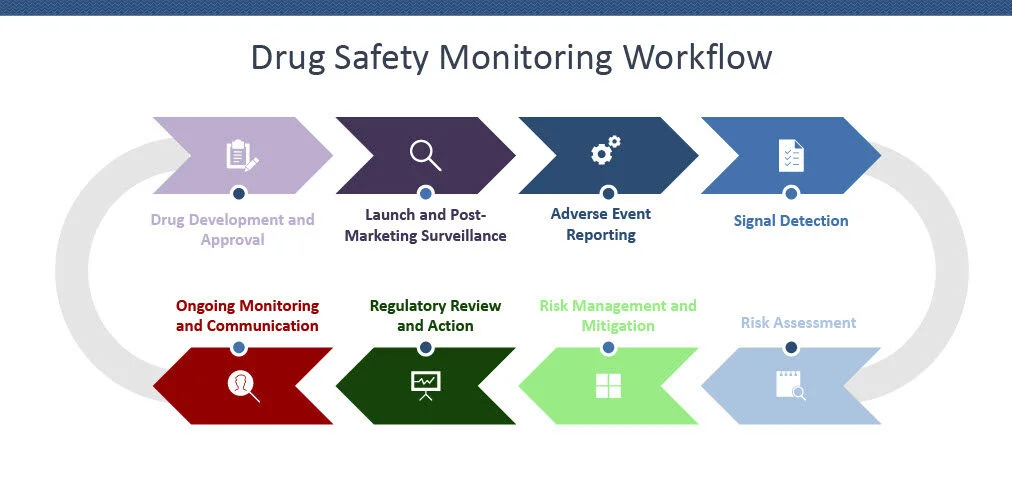
- Monitor safety, detect signals, manage risk — overseeing ongoing assessment of safety data, signal detection, benefit–risk evaluation, risk minimization measures and follow-up actions.
- Serve as the primary contact for regulators 24/7 — respond to requests or queries from Competent Authorities (e.g. in case of serious adverse events), provide up-to-date safety information, and coordinate with authorities for any safety-driven regulatory actions.
- Ensure regulatory compliance and inspection readiness — ensuring all PV activities (reporting, documentation, safety surveillance) comply with Good Pharmacovigilance Practices (GVP), national and international regulations, and that the organisation is ready for audits or inspections at any time.
In many cases, companies may outsource the QPPV function to external experts (e.g. specialized CROs / vendors), especially when they lack internal resources or expertise — ensuring compliance while optimizing operational costs.
Pharmacovigilance and QPPV requirements in Tanzania / East Africa — what differs
In Tanzania — under the oversight of Tanzania Medicines and Medical Devices Authority (TMDA) — pharmacovigilance is regulated under the Tanzania Medicines and Medical Devices (Pharmacovigilance) Regulations, 2018.
Key national requirements include:
- Marketing Authorization Holders (MAHs) must establish a pharmacovigilance system for their products marketed in Tanzania.
- Adverse drug reactions (ADRs) and other safety events must be collected, managed, and reported to TMDA.
- Safety reporting obligations: MAHs are required to submit periodic safety reports (e.g. PSURs / PBRERs), along with any individual case safety reports (ICSRs), and to have systems for risk management and post-market surveillance.
- Appointment of a PV focal person or responsible person: health facilities, pharmaceutical outlets, importers/distributors, and MAHs may need a PV-focal contact to manage ADR reporting and act as liaison with TMDA.
- Integration in regional pharmacovigilance frameworks: Tanzania participates in regional initiatives such as the AU‑3S Programme, which supports pharmacovigilance systems across Africa.
Compared to EU or other global PV systems, the Tanzanian/East African environment may involve additional challenges, such as: lower reporting rates, variable infrastructure among health facilities, limited resources for continuous safety surveillance, and the need to coordinate across different countries/regional systems when products are marketed in multiple African markets.
These realities make the role of a competent, well-trained pharmacovigilance expert — whether internal or outsourced — even more critical.
How Alcare Consultancy helps clients as a QPPV / PV partner in Tanzania / East Africa
Given your background and goals, Alcare Consultancy is well positioned to support companies needing pharmacovigilance services in Tanzania or East Africa. Here is how you can help:
- Establishing compliant PV systems
You can assist companies (local manufacturers, importers, or MAHs) in setting up a fully compliant pharmacovigilance system — from SOPs, case-reporting procedures, safety databases, to standard forms for ADR reporting. This helps ensure compliance with Tanzania’s regulations under TMDA as well as aligning with global best practices.
- Acting as PV focal point or outsourced QPPV
For companies lacking their own internal resources or expertise, Alcare Consultancy can serve as the PV focal person or external QPPV — offering a dedicated contact who understands both global standards and local regulatory obligations. You can be the bridge between the client and TMDA (or other national authorities), helping with timely safety reporting, regulatory communication, and ensuring readiness for inspections or audits.
- Safety data collection, ADR reporting and management support
Alcare Consultancy can support the collection, collation, evaluation, and reporting of ADRs / safety events from across distribution networks, healthcare facilities, and end-users — ensuring that ICSRs and aggregate safety reports (periodic reports) are prepared and submitted in line with TMDA requirements.
- Regulatory compliance and documentation maintenance (e.g. PV master file)
You can help maintain a Pharmacovigilance System Master File (PSMF) or equivalent documentation required by regulatory authorities, ensuring that all processes — risk management, safety monitoring, reporting — are documented, up to date, and auditable.
- Training, capacity building and PV culture
Beyond compliance, Alcare Consultancy can provide training to client staff, distributors, healthcare facilities — building capacity for ADR reporting, safety awareness, and embedding a culture of pharmacovigilance. This is especially relevant in settings where PV is still developing.
- Support for multi-market/regional PV strategy
For companies aiming to market products beyond Tanzania — e.g. across East Africa — Alcare Consultancy can help design and implement a harmonized PV strategy by leveraging knowledge of local regulations, regional initiatives (like AU-3S), and global best practices.
Conclusion
The role of QPPV remains central to ensuring patient safety, regulatory compliance, and sustainable pharmacovigilance practices — whether under rigorous international frameworks (such as in EU) or in evolving regulatory environments as in Tanzania and East Africa.
By combining global PV principles with local regulatory insight, Alcare Consultancy can offer a valuable service to pharmaceutical companies, importers, and other stakeholders — helping them meet their obligations, manage risk, and protect public health.